How To Become A Cybersecurity Analyst Without A Degree (Online Path)
Andy
|
March 28, 2026
Stuck in a dead-end job and think you need a four-year degree to break into tech? You don't. Cybersecurity is one of the few fields where what you can do matters more than your diploma. Let's map out your path to becoming a cybersecurity analyst from home.
Can You Really Get Into Cybersecurity Without a Degree?
The short answer is yes. While many HR departments still list a Bachelor's degree as a requirement, the actual hiring managers—the people you'll work for—are desperate for talent. There is currently a global shortage of nearly 4 million cybersecurity professionals. Companies like Google, IBM, and even many government contractors have officially dropped degree requirements for entry-level cybersecurity jobs.

In this field, your pedigree is built through three things: certifications, hands-on skills, and a solid portfolio. If you can prove you can defend a network or hunt for threats, no one cares if you spent four years in a lecture hall. The cybersecurity career path is now more of a choose-your-own-adventure than a rigid ladder.
Choosing Your Online Learning Path: Bootcamp Vs. Self-Paced
When you decide to start, you'll hit a fork in the road: do you pay for a structured cybersecurity bootcamp, or do you piece together an online cybersecurity course on your own?
The Bootcamp Route
Bootcamps are intensive, usually lasting 12 to 24 weeks. They are designed to take you from zero to job-ready.
- Pros: You get a structured curriculum, a cohort of peers, and—most importantly—career services. Many bootcamps have hiring partners who look specifically for their graduates.
- Cons: They are expensive, often costing between $10,000 and $16,000.
- Top Recommendations: SANS Institute (the gold standard, but very pricey), Flatiron School, or University-backed bootcamps (like those powered by 2U or Trilogy).
The Self-Paced Route
If you have discipline but lack the cash, this is your best bet. You can build your own curriculum for under $500.
- Google Cybersecurity Professional Certificate (Coursera): Perfect for absolute beginners. It costs about $49/month and covers the basics of Python, Linux, and SQL.
- TryHackMe & Hack The Box: These are gamified platforms. Instead of watching videos, you're actually hacking into legal targets. It's the most fun way to learn.
- Professor Messer (YouTube): He offers free, high-quality training for the most important entry-level exams.
The Essential Cybersecurity Certification Roadmap
If you don't have a degree, a cybersecurity certification acts as your proxy degree. It tells an employer that you've met a global standard of knowledge. Don't try to collect them all like Pokémon cards; focus on the ones that actually move the needle.
1. CompTIA Security+ (The Non-Negotiable)
This is the baseline. If you want a job in a Security Operations Center (SOC), you almost certainly need this. It covers the terminology and the why behind security protocols. It costs around $400, but it's the best investment you'll make.
2. Blue Team Level 1 (BTL1)
While Security+ is theoretical, BTL1 is practical. You are given a simulated hack and have to find the bad guy using real tools like Splunk and Wireshark. Employers love seeing this because it proves you aren't just good at multiple-choice tests.
3. Certified SOC Analyst (CSA)
If your goal is to become a cybersecurity analyst specifically, this cert focuses on day-to-day tasks such as monitoring logs and responding to incidents.
How To Become A Cybersecurity Analyst: A Step-By-Step Blueprint
You've got the books and the certs, but how do you actually get the title? Here is the exact sequence you should follow to go from interested to hired.
Step 1: Master the Boring Basics
You cannot secure a network if you don't know how a network works. Spend two weeks learning the OSI model, TCP/IP, and how DNS works. If you don't know the difference between an IP address and a MAC address, stop everything and learn that first.
Step 2: Learn the Command Line
Real security work doesn't happen in a pretty Windows interface. You need to get comfortable with the Linux terminal. Learn how to navigate directories, change permissions, and grep through text files.
Step 3: Build A Home Lab
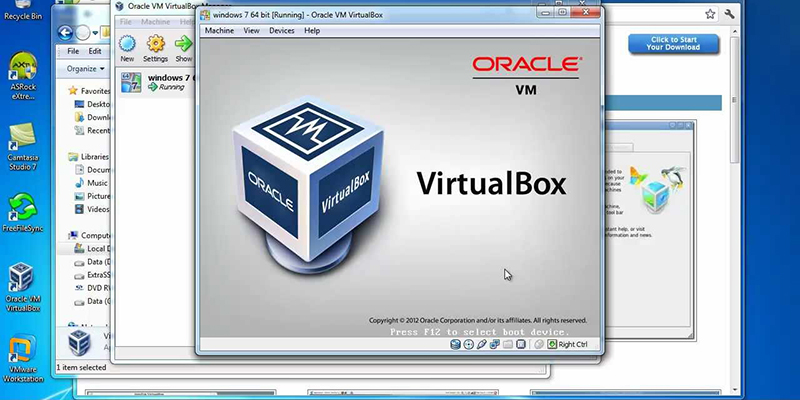
This is where you separate yourself from the crowd. Download VirtualBox (it's free) and set up a lab on your laptop. Install a vulnerable version of Windows and try to detect an attack on it using a tool like Splunk (Free Edition) or Wazuh.
Step 4: Document Everything
When you finish a lab or a challenge on TryHackMe, write a Write-up. Explain what you did, what tools you used, and what you learned. Post these on a simple GitHub page or a Medium blog. When an interviewer asks, What experience do you have? You don't say None. You say, Here is a link to the three network intrusions I analyzed and documented last month.
What Does An Entry-Level Cybersecurity Job Actually Pay?
Let's talk numbers. You aren't doing this just for the cool factor; you want a better life.
For a Junior Cybersecurity Analyst or a Tier 1 SOC Analyst, the salary ranges are surprisingly high for entry-level work:
- United States: $65,000 – $85,000
- United Kingdom: £30,000 – £45,000
- Remote Roles: Often start around $70,000
The best part? The ceiling in this career is massive. Within 3–5 years, as you move into Senior Analyst or Incident Response roles, hitting the $120,000+ mark is very common.
Where To Find Jobs (And How To Apply)
Don't just go to Indeed and hit Apply on 100 jobs. That's a black hole. Instead, use a more targeted approach.
- LinkedIn Networking: Search for SOC Manager or Cybersecurity Recruiter. Send them a polite note: Hi, I'm a self-taught security enthusiast with my Security+ and BTL1. I've been building labs in Splunk and would love to know what your team looks for in junior hires.
- Dice.com: This is a tech-specific job board. It's much better for finding specialized security roles than general sites.
- Niche Slack & Discord Groups: Join communities like Tech After Dark or Infosec Twitter. Jobs are often posted here before they ever hit a public job board.
Common Pitfalls To Avoid
- The Rabbit Hole Trap: Don't spend 6 months learning C++. You don't need to be a master coder to be an analyst. Learn enough Python to automate a simple task, then move on.
- Ignoring Soft Skills: A cybersecurity analyst has to write reports and explain threats to non-technical managers. If you can't communicate clearly, you won't get past the second interview.
- Thinking You Need to Be a Hacker: Most analyst jobs are about defense, not offense. You spend your day looking at logs and stopping bad guys, not wearing a hoodie and typing in a dark room. Focus on defensive tools (Blue Teaming) rather than just hacking tools (Red Teaming).
Final Selection Tips: Which Course Is Right For You?
If you are still undecided, use this quick guide:
- If you have $0, start with Professor Messer on YouTube and the TryHackMe Introduction to Cybersecurity path.
- If you have $50/month, do the Google Cybersecurity Professional Certificate on Coursera. It's the most user-friendly entry point.
- If you have a budget and want a job FAST: Look for a reputable cybersecurity bootcamp with a job guarantee or strong career coaching.
The path is right there in front of you. You don't need a university's permission to start learning, and you certainly don't need their debt to start a career. Pick a tool, start a lab, and get your hands dirty. The industry is waiting for you.
You've got the roadmap, the tool list, and the salary expectations. Now, it's just about putting in the hours. Cybersecurity isn't about being a genius; it's about being curious and persistent. Start your first lab tonight, even if it's just installing Linux on a virtual machine. That small step is the beginning of a completely different life. Good luck—you've got this!
Related Posts

How to Learn SQL Online and Get Hired as a Data Analyst

Best Online Courses To Become A Video Editor And Start Earning

Best UX Design Courses for 2026: 10 Courses to Start Your UX Career

Online Business Courses That Actually Help Beginners Succeed

Level Up Your Career: Top Online Certs That Make a Difference