Best Online Courses To Become A Video Editor And Start Earning
Andy
|
March 8, 2026
You are tired of watching others make a fortune on YouTube and TikTok while you sit on the sidelines. The barrier isn't your lack of talent; it's just a lack of technical know-how. Let's fix that by turning you into a pro editor today.
The Best Video Editing Courses For Beginners To Jumpstart Your Career
If you want to stop being a hobbyist and start getting paid, you need to pick the right tools. Most pros use the Adobe Creative Cloud suite. Specifically, you need a solid Premiere Pro course to handle the storytelling and a specialized After Effects course to add that wow factor with motion graphics.
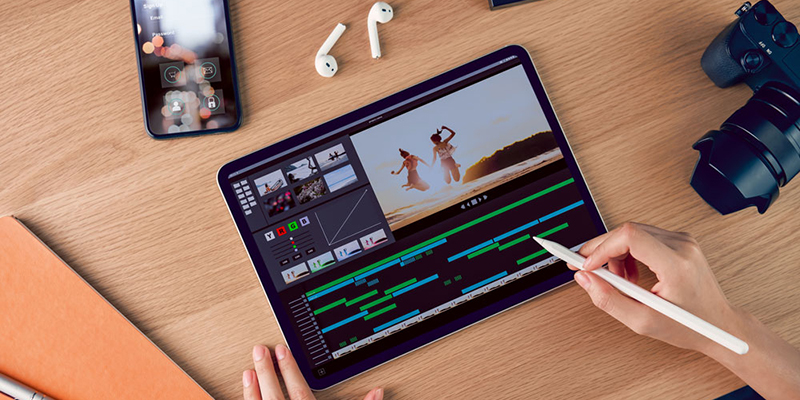
For those just starting, Adobe Premiere Pro CC – Essentials Training Course by Daniel Walter Scott on Udemy is a goldmine. It is widely considered one of the best video editing courses because it doesn't just show you what buttons to click; it teaches you a workflow. You will learn how to organize messy footage, cut on the beat, and fix shaky handheld shots. This is the meat and potatoes of the industry.
Once you can cut a clean sequence, you need to level up. A basic online video editing course might teach you how to trim a clip, but an After Effects course teaches you how to create professional intros, lower thirds, and cinematic transitions. Look for the After Effects CC: The Complete Guide on platforms like Udemy or Skillshare. Mastering this software is what separates a $20-an-hour editor from a $100-an-hour specialist.
If you are looking for more than just skills and want a piece of paper to show clients, consider a video editing certification. Coursera offers a Meta Social Media Marketing Professional Certificate, which includes video modules, or you can go straight to the source with the Adobe Certified Professional exam. While many clients care more about your work than your diploma, having a certification can help you stand out when applying for corporate roles or high-end agencies.
How To Learn Video Editing Online Without Burning Out
Watching hours of tutorials is the fastest way to fall asleep. To actually learn video editing online, you need to get your hands dirty immediately. Don't wait until you finish a 20-hour course to start your first project. Instead, use a learn-as-you-go approach.
Start by downloading free stock footage from sites like Pexels or Pixabay. Take ten random clips—maybe a person drinking coffee, a car driving by, and a sunset—and try to tell a 30-second story. This is the best form of video editing for beginners because there is no pressure. You aren't worried about a client's opinion; you are just learning how to make two clips flow together smoothly.
As you progress, try to recreate things you see on YouTube. See a cool text animation? Search for a specific tutorial on how to do that one thing. This micro-learning keeps you engaged and builds your toolbelt of tricks much faster than sitting through a dry, theoretical lecture. You'll find that the more you play with the software, the less intimidating those complex timelines become.
How To Become A Video Editor With A Killer Portfolio
Nobody will hire you based on a resume alone. In this industry, your portfolio (or showreel) is your lifeblood. If you want to know how to become a video editor that people actually want to pay, you need to show them you can solve their problems.
Your first portfolio doesn't need to be fancy. It should be a 60- to 90-second video featuring your best cuts. Include a variety of styles:
- A Talking Head segment: Show that you can cut out ums and ahs while keeping the speaker looking natural.
- A B-Roll montage: Show you can sync visuals to music.
- Text Overlays: Use what you learned in your After Effects course to show you can handle professional titles.
If you don't have real clients yet, make spec ads. Pick a local coffee shop or a tech gadget you own. Film some footage on your phone, edit it like a high-end commercial, and put it in your reel. This shows potential clients exactly what you can do for their brand.
Landing Your First Freelance Video Editor Gig
Once your reel is ready, it's time to find the money. Becoming a freelance video editor is a marathon, not a sprint. Start by setting up profiles on Upwork and Fiverr, but don't just wait for people to find you. You need to be proactive.
A great strategy for beginners is to find up-and-coming YouTubers with good content but poor editing. Send them a polite email or DM. Offer to edit one of their videos for free or at a deep discount as a trial. If you do a great job, they will likely hire you for the next ten videos. This is how you build long-term, recurring income.
When you apply for jobs on freelance platforms, keep your pitch short. Don't talk about your life story. Instead, say: I saw your project, and I can deliver a fast-paced, engaging edit similar to [insert famous creator]. Here is a 30-second clip of my work. Most clients are busy; they want to know if you can do the job quickly and well.
Setting Your Rates And Quoting Like A Pro
Pricing is where most beginners fail. They either charge way too little and burn out, or they charge too much and never get hired. When you are just starting after finishing your video editing for beginners training, you might want to charge by the project rather than by the hour.
For a standard 10-minute YouTube video, a beginner might charge between $50 and $150. As you get faster and your skills improve—especially if you can offer motion graphics from your After Effects course—you can easily bump that to $300 or $500 per video.
Always ask for a creative brief before giving a price. Ask the client:
- How much raw footage is there? (Editing 1 hour of footage is harder than editing 10 minutes.
- Do you need subtitles? (This takes extra time)
- What is the deadline? (Rush jobs should cost 25% more).
By asking these questions, you look like a professional, and you ensure you don't end up working for pennies. As you gain experience, you will learn to spot nightmare clients who want Hollywood quality for a five-dollar budget. Avoid them at all costs and focus on clients who value the time it takes to produce quality work.
Scaling Your Business And Staying Relevant
The world of video moves fast. What worked two years ago on TikTok doesn't work today. To stay at the top of your game, you should revisit your education every six months. Take a new online video editing course to learn about AI-assisted editing tools or new color grading techniques.
Networking is also key. Join Facebook groups or Discord servers for editors. Sometimes, a freelance video editor has too much work and sublets projects to other editors they trust. Being that trusted person can provide a steady stream of work without you ever having to send a cold email.
Don't be afraid to specialize. Some editors edit only videos; others edit only high-energy gaming montages. The more niche you are, the more you can charge because you become the go-to expert for that specific style.
Your Path To Creative Freedom
By choosing the right video editing courses, practicing daily, and building a portfolio that speaks for itself, you can transition from a beginner to a pro in just a few months. Remember, every expert was once a beginner who didn't give up when the software crashed. Keep cutting, keep learning, and soon enough, you'll be the one getting paid to bring stories to life. The Export button is waiting for you.
Related Posts
How To Learn Ghostwriting And Start Earning Online

Emerging Leadership & People Skills Courses To Excel

Should You Choose Skills Or a Degree In 2026? Here's What Really Matters

16 Best Online Courses That Lead To High-Paying Jobs

High-Income Skills You Can Learn Online That Pay Well