Future Of Work Trends: What Every Professional Should Prepare For
Andy
|
February 7, 2026
The ground beneath our feet is shifting. Is your career built on solid rock or shifting sand? The rapid acceleration of AI and new workplace models isn't a distant forecast—it's today's reality. This isn't about causing panic; it's about providing a clear-eyed roadmap for what lies ahead. So, what steps must you take now not just to survive, but thrive?

The next few years represent a critical window for action. Those who proactively adapt will capture immense opportunities, while those who wait risk becoming professionally obsolete. Let's break down the definitive trends shaping the future of work and the concrete actions you can take to secure your place in it.
The Unstoppable Force Of AI: Augmentation Over Replacement
A fear of replacement has often framed the conversation around AI and jobs. However, the more nuanced reality for 2026 and beyond is one of augmentation. AI will not so much take your career as it will transform it, automating routine tasks and freeing up human intellect for higher-value work. Professionals who learn to collaborate with AI as a co-pilot will gain an almost insurmountable advantage.
Generative AI is already demonstrating its power to boost productivity. A [McKinsey Global Institute report] estimates that generative AI could add $2.6 trillion to $4.4 trillion annually to the global economy. This value isn't created in a vacuum; it comes from professionals who leverage these tools to innovate faster, analyze more deeply, and make more effectively. The new benchmark for competency is no longer just digital literacy but AI fluency—the ability to strategically prompt, interpret, and integrate AI outputs into your workflow.
Think of it this way: a graphic designer who fears AI image generators will fall behind. A designer who uses them to rapidly ideate concepts, create mood boards, and handle mundane background removal can deliver more creative, high-impact work in less time. This is the essence of augmentation.
Action Step
Move beyond basic awareness. Dedicate time to mastering practical AI tools relevant to your field. Explore prompt engineering basics, use ChatGPT for research and writing drafts, or experiment with Midjourney for visual concepts. Conduct a personal skills audit: identify the 20% of your tasks that are repetitive and predictable, and then find an AI tool that can help automate or streamline them. This proactive upskilling is non-negotiable.
Skills-First Hiring: Your Experience Is Your New Degree
The era of credentialism is fading. While degrees still hold value, employers are increasingly focusing on verifiable skills and tangible results. This is the core of skill-based hiring. LinkedIn's data show that 75% of employers now prioritize skills over traditional qualifications, and this trend is becoming the dominant hiring practice.
Why the shift? The pace of change means that what you learned for a degree four years ago may already be outdated. A portfolio of successful projects, a GitHub repository filled with clean code, or a series of well-researched blog posts are more potent indicators of your current capabilities.
This is fantastic news for those pursuing early career opportunities or considering a career pivot. It levels the playing field, allowing talent to shine regardless of pedigree. Your ability to demonstrate problem-solving, adaptability, and a capacity for continuous learning is becoming your most valuable asset in the job market. As the [World Economic Forum's Future of Jobs Report] highlights, analytical thinking and creative thinking are the most in-demand skills, and these are best proven through action, not just a certificate.
Action Step
Curate a proof of work portfolio. This isn't just for creatives. A project manager can create case studies of successful projects (anonymizing sensitive data). A marketer can showcase campaign results with clear metrics. A financial analyst can share public models or analyses. Treat your LinkedIn profile not as a static resume, but as a dynamic portfolio, regularly updating it with new projects, certifications, and tangible achievements.
The Great Rebalancing: Hybrid Work And A Borderless Talent Pool
The pandemic didn't just introduce remote work; it permanently rewired our understanding of the workplace. By 2026, the debate won't be if hybrid models work, but how to optimize them. This is one of the most visible workplace trends. Research from Stanford economist Nick Bloom's WFH Research project shows that a hybrid arrangement is the preferred and most stable model, balancing employee demands for flexibility with organizational needs for collaboration and innovation.
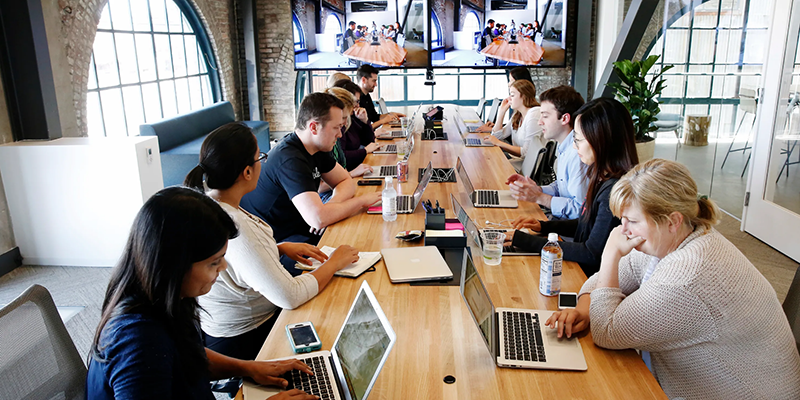
This Great Rebalancing has two profound implications for you. First, remote readiness is now a core competency. Employers need to see evidence that you can manage your time, communicate effectively across digital platforms (Slack, Asana, Teams), and collaborate asynchronously with a team scattered across time zones.
Second, your competition is now global. While you can apply for a role in another country, so can a talented professional from anywhere in the world. This means your unique value proposition must be crystal clear. What specialized skills, cultural understanding, or unique experiences do you bring that others don't? Being average is no longer a safe position.
Action Step
Overhaul your resume and interview talking points to be explicitly "remote-first." Instead of just listing tools, describe how you used them to achieve a result (e.g., managed a cross-functional project across three time zones using Asana, resulting in a 15% reduction in delivery time). Highlight any experience working with international teams and showcase your ability to be a proactive, self-managed contributor.
The Rise Of The Portfolio Career And The Gig Mindset
The concept of a single, linear career path is a relic of the 20th century. Welcome to the age of the portfolio career, where professionals intentionally build multiple income streams and skill sets simultaneously. This might look like a full-time job supplemented by freelance consulting, a passion-project side hustle, and occasional contract work.
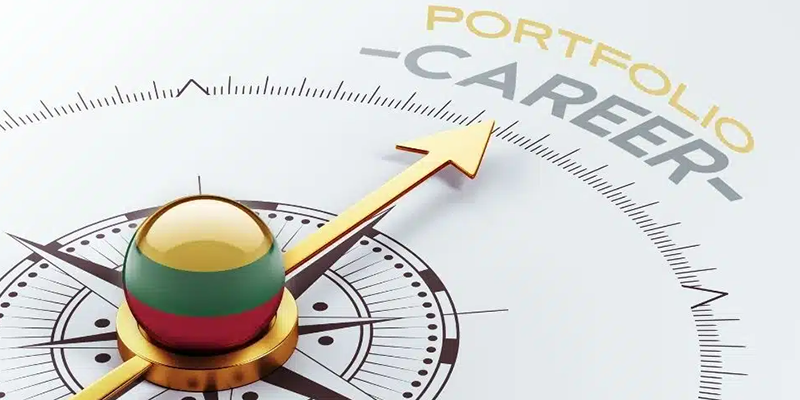
This isn't just a defensive move against economic uncertainty; it's a proactive strategy for growth and fulfillment. A portfolio career demonstrates immense adaptability, an entrepreneurial mindset, and a commitment to continuous learning—all traits highly valued by modern employers. It allows you to de-risk your career; if one industry faces a downturn, your other ventures provide a buffer. Furthermore, the skills you learn in a side hustle (e.g., marketing your own services) can often be applied to your primary role, making you a more versatile and valuable employee.
Action Step
Start small to build momentum. Identify a core skill you possess and test its market value on a platform like Upwork or Toptal. Monetize a hobby or offer your expertise to your local community or a non-profit. The goal isn't necessarily to quit your job, but to cultivate a gig mindset—constantly looking for problems to solve and projects to contribute to, building a reputation beyond a single job title.
Lifelong Learning Is Non-Negotiable: The New Currency Of A Dynamic Job Market
If there is one meta-skill to rule them all, it is the ability to learn, unlearn, and relearn. The half-life of skills is shrinking dramatically. The expertise that makes you valuable today could be commonplace or even obsolete in three to five years. This makes upskilling and reskilling essential components of career management.
Employers are increasingly hiring for learning agility over existing knowledge. They are asking: "Can this person evolve with the role? When a new technology disrupts our industry, will they be the first to master it or the last to adapt?" Your demonstrated ability to continuously learn is a powerful signal that you are a future-proof investment.
This means moving away from the idea that learning is something you do in school. It must become an integrated, consistent habit, like exercising or managing your finances.
Action Step
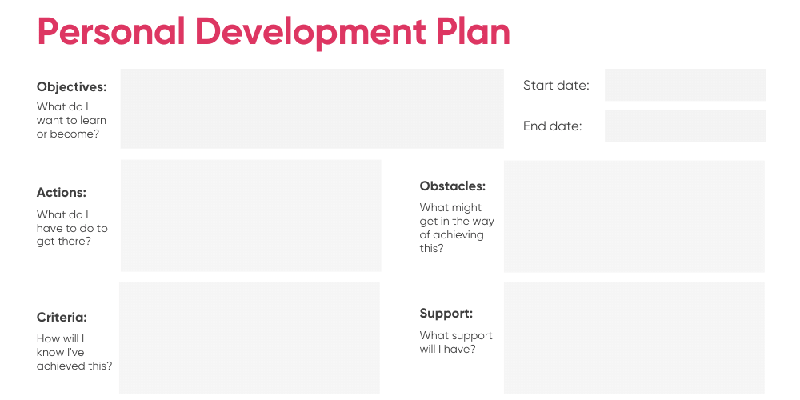
Create a Personal Development Plan (PDP). Dedicate a recurring 5-7 hour block in your weekly calendar specifically for learning. Don't just consume content passively. Blend different formats: take a structured certification course one quarter (e.g., Google's AI Essentials), listen to industry podcasts during your commute, read one influential book a month, and practice a new technical skill through a hands-on project. Track your progress and share key insights on LinkedIn to demonstrate your commitment to growth visibly.
Human-Centric Skills In A Tech-Driven World
As technology and AI take over routine, analytical, and data-processing tasks, our uniquely human skills become more valuable than ever. By 2026, the most sought-after professionals will be those who combine technical fluency with deep emotional intelligence, creativity, and leadership.
Machines can optimize a process, but they cannot inspire a team after a setback. AI can generate a report, but it cannot navigate a complex negotiation with an unhappy client or mentor a junior colleague. Skills like empathy, collaborative problem-solving, ethical judgment, and persuasive communication are the true differentiators in a world saturated with technology. These are the skills that build trust, foster innovation, and drive meaningful results.
Action Step
Actively seek opportunities to build these human-centric muscles. Volunteer to lead a challenging project, even a small one. Practice active listening in meetings instead of just waiting for your turn to speak. Offer to mentor a new hire. Join a public speaking group, such as Toastmasters, to improve your communication skills. These abilities are developed through practice, not just by reading about them.
Building Your Personal Brand: Becoming A Signal In The Noise
In a global talent market, your resume is no longer enough. Your personal brand—your digital reputation and the value you consistently provide to your network—is your ultimate career insurance. Before they even speak to you, recruiters and hiring managers will Google your name. What will they find? An empty search result, a basic LinkedIn profile, or a recognized voice in your field?
A strong personal brand attracts opportunities. It transforms you from a job seeker into a sought-after talent. It'ss not about being an influencer; it's about consistently demonstrating your expertise, passion, and unique perspective.
Action Step
Choose one platform (LinkedIn is often best for professionals) and one niche where you have credible expertise. Commit to a sustainable content schedule. Don't just share company news. Post one original insight, a thoughtful comment on an industry trend, or a short case study from your own experience once a week. The goal is consistency over intensity. Over time, you will build authority and become a magnet for relevant connections and career opportunities.
Wrapping Up: Your Future Is In Your Hands
The year 2026 isn't a distant future; its foundations are being laid today. The convergence of AI, the permanence of hybrid and global work, and the absolute necessity of continuous learning are reshaping the professional landscape in real time.
The professionals who will define this new era are not waiting for instructions. They are auditing their skills, embracing AI as a collaborator, building a portfolio of experiences, and cultivating their uniquely human talents. They understand that preparing for the future of work isn't a one-time event—it's an ongoing process of adaptation and growth.
The change is rapid, but for those who are prepared, the opportunity for career growth, flexibility, and meaningful impact has never been greater. The time to act is now.
Related Posts

What Is A Front-End Engineer And How To Become One
How To Learn SEO Online and Start Getting Clients In 2026

Best Online Courses To Become A Video Editor And Start Earning

Web Development Courses That Lead To Freelance Jobs
New To Tech? These Coding Bootcamps Turn Confusion Into Confidence