Best Graphic Design Courses For Freelancers In 2026
Mike Fakunle
|
November 16, 2025
Starting a freelance graphic design career requires more than just creative talent. You need the proper training to handle real client projects and run your business smoothly.
The best courses teach you practical design skills alongside essential freelancing knowledge. From pricing your services to managing demanding clients, the right program prepares you for everything you'll face as an independent designer.
Top Platform-Based Graphic Design Courses for Freelancers
Online learning platforms have transformed how designers build their skills. Each platform offers unique advantages depending on your budget, schedule, and learning style.

Udemy Courses for Budget-Conscious Beginners
Udemy provides affordable graphic design courses that cover everything from basic principles to advanced techniques. The Complete Graphic Design Theory and Application course teaches typography, colour theory, and layout fundamentals in under 20 hours.
The Ultimate Canva Course helps freelancers create client deliverables quickly without expensive software. Canva has become essential for social media graphics and quick marketing materials. Most Udemy courses cost between $15 and $50 during frequent sales, making them accessible to designers just starting.
Coursera Specialisations for Professional Credibility
The California Institute of the Arts Graphic Design Specialisation offers university-level training that adds serious credibility to your resume. This five-course series covers imagemaking, typography, branding fundamentals, and design history.
Adobe partners with Coursera to offer the Professional Certificate program that teaches industry-standard software. These certificates demonstrate to clients that you've completed structured training from recognised institutions. Career advancement benefits include access to job boards and networking opportunities.
Skillshare Classes for Hands-On Learning
Skillshare emphasises project-based learning where you create actual design pieces throughout each class. The platform works differently from traditional courses because you learn by doing rather than just watching.
Community feedback advantages help you improve faster than studying alone. Other designers comment on your projects and share their perspectives. A monthly subscription of around $30 gives you unlimited access to thousands of graphic design courses, making it valuable for exploring multiple specialities.
Domestika Courses for Creative Specialisation
Domestika focuses on creative professionals who want to develop distinctive visual styles. Their Wordmark Logo Design course teaches the specific techniques for creating text-based brand identities.
Branding and packaging courses dive deep into how products communicate through design. International instructors bring perspectives from design communities worldwide. Most Domestika courses cost between $10 and $40 and include lifetime access.
Essential Software Skills Every Freelance Designer Needs
Mastering design software determines how efficiently you complete client projects. The tools you choose affect everything from your workflow speed to the types of projects you can accept.
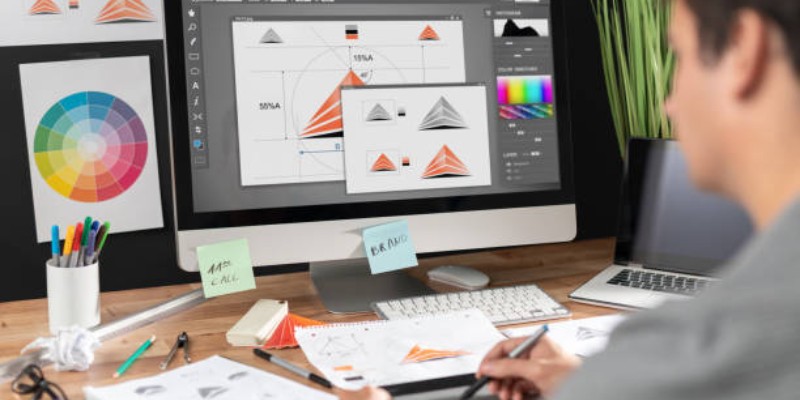
Mastering Adobe Creative Suite
Photoshop remains essential for photo editing and digital manipulation work. Clients expect you to retouch images, create composites, and prepare graphics for various media. Professional photographers and businesses specifically request designers who know Photoshop.
Illustrator handles vector graphics that stay crisp at any size. Logo design requires Illustrator because clients need their brand marks in multiple formats. Creating icons, illustrations, and scalable graphics becomes simple once you understand vectors.
InDesign specialises in layout work for multi-page documents. Brochures, magazines, ebooks, and reports all require layout software. Many freelance graphic design opportunities involve publication design, which demands proficiency in InDesign.
Alternative Tools for Modern Freelancers
Canva democratized design by making professional-looking graphics accessible to everyone. Competent freelancers use Canva for quick social media posts and simple marketing materials. The drag-and-drop interface saves time on projects that don't need complex custom work.
Figma dominates web and UI/UX design projects because it enables real-time collaboration. Clients can leave comments directly on your designs and see updates instantly. Many startups and tech companies prefer designers who know Figma.
Free options help beginning designers start taking clients without significant software investments. GIMP offers photo editing similar to Photoshop. Inkscape provides vector design capabilities like Illustrator. These alternatives have limitations, but they work for basic freelance projects.
Building a Portfolio That Wins Clients
Your portfolio makes or breaks your freelance graphic design career. Potential clients judge your abilities entirely on the work they see.
What to Include in Your Design Portfolio
Selecting diverse project examples shows your range without confusing your speciality. Include three to five strong pieces from different categories. A logo, a brochure layout, and social media graphics demonstrate versatility.
Showcasing your design process helps clients understand how you work. Before-and-after comparisons reveal your problem-solving approach. Sketches and mood boards prove you don't just make things look pretty randomly.
Creating case studies demonstrates the results you deliver. Explain the client's challenge, your solution, and the outcome. Numbers work well here when possible. A redesigned website that increased conversions by 40 per cent tells a compelling story.

Best Platforms for Designer Portfolios
Behance and Dribbble serve as professional networking hubs where designers share their latest projects. These platforms help you connect with other creatives and stay inspired. Many clients browse these sites specifically to find talented designers.
Personal website considerations include choosing between custom sites and portfolio builders. Platforms like Squarespace and Wix offer templates designed for creatives. A custom WordPress site gives you more control but requires technical knowledge.
Portfolio presentation techniques affect how clients perceive your professionalism. High-quality images, consistent formatting, and clear descriptions make your work stand out. Mobile responsiveness ensures your portfolio looks great on any device.
Growing Your Freelance Design Business Successfully
Your education never truly ends as a graphic designer. Markets shift, tools evolve, and client expectations change constantly.
Continuing education keeps your skills sharp and your knowledge current. Taking a new course every few months prevents stagnation. Following design blogs and podcasts maintains your connection to industry trends.
Staying current with design trends matters, but unthinkingly following every fad looks desperate. Understanding why specific trends emerge helps you apply them thoughtfully. Your personal style should evolve naturally rather than chase whatever looks popular.
Building long-term client relationships provides a stable income that one-off projects can't match. Happy clients return for additional work and refer you to others. Treating every project as the foundation for an ongoing partnership changes your approach.
Scaling from freelancer to agency owner represents one possible growth path. Some designers prefer staying solo, while others build teams. Neither choice is better, but understanding your options helps you plan accordingly. The graphic design courses you take initially should provide flexibility for whichever direction you choose later.
Sources
Related Posts

How to Learn Front End Development Online and Start Freelancing

Best Online Courses To Become A Digital Marketing Specialist

Top Cybersecurity Courses Employers Actually Value

Best Soft Skills Training That Improves Communication & Leadership

Best Online Courses That Teach Coding Skills You’ll Actually Use